On March 8, 2014, Malaysia Airlines Flight 370 left Kuala Lumpur for Beijing with 239 people on board. Less than an hour later it vanished from air traffic control screens. MH370 has never been found, despite the most expensive search in aviation history and several private hunts since.
We do know a surprising amount. Military radar, satellite data and pieces of debris that washed up thousands of miles away all point to the southern Indian Ocean. What nobody can say for certain is why the plane flew there, or exactly where it came down. As of October 2026, a new search window is set to open.
Quick facts
| Flight | Malaysia Airlines MH370, Kuala Lumpur to Beijing |
| Date | March 8, 2014, departed 00:42 local time |
| Aircraft | Boeing 777-200ER (777-2H6ER), registration 9M-MRO |
| People on board | 239 (227 passengers, 12 crew) |
| Confirmed debris | First piece: a flaperon found on Réunion, July 2015 |
| Search status (Oct 2026) | Ocean Infinity contract extended to June 30, 2027 |
What happened to MH370 on the night it vanished
The Boeing 777 took off from Kuala Lumpur at 00:42 local time. Of the 227 passengers, 153 were Chinese and 38 were Malaysian, with the rest from about 13 other countries. The 12 crew were all Malaysian, led by Captain Zaharie Ahmad Shah, 52, and First Officer Fariq Abdul Hamid, 26.
At 01:19 the captain acknowledged a handover to air traffic control in Ho Chi Minh City with a routine sign-off. It was the last voice contact. About two minutes later the plane’s transponder stopped showing on civilian radar.
Malaysian military radar kept tracking an unidentified aircraft. It turned back west, crossed the Malay Peninsula and was last seen at 02:22 over the Andaman Sea, roughly 200 nautical miles northwest of Penang. After that, the plane was invisible to radar.
The satellite clues that pointed south
The plane was not completely silent. Its satellite data unit kept answering hourly automated check-ins, called handshakes, from an Inmarsat satellite. It also registered two satellite phone calls from the ground, at 02:39 and 07:13, which nobody on board answered. The last signal, a log-on message, came at 08:19, more than seven and a half hours after takeoff.
Those handshakes do not give a location, but they do show the distance between the plane and the satellite. Investigators turned the final one into a long curved line on the map, known as the seventh arc. Analysis placed the end of the flight somewhere along that arc in the remote southern Indian Ocean, most likely after the plane ran out of fuel.
The seventh arc is the reason every major search has focused on the southern Indian Ocean, far from the plane’s planned route to Beijing.
The debris that proved it crashed
For more than a year there was no physical trace at all. Then, in late July 2015, a wing part called a flaperon washed up on the Indian Ocean island of Réunion. It was confirmed as coming from MH370.
By October 2017, 20 pieces had been recovered from beaches around the western Indian Ocean, including the east African coast. Investigators judged 18 of them very likely or almost certainly from MH370, and two as probably from it. That settled one question: the plane did come down in the ocean.
Every major MH370 search so far
The hunt began in the Gulf of Thailand and the South China Sea before moving to the Indian Ocean. Australia took charge on March 17, 2014. Between March 18 and 27, 2014, searchers covered an area of about 315,000 sq km of the southern Indian Ocean, without success. After that, the effort moved to the seabed, where there have been three big searches. The Australian-led phase alone became the most expensive search in aviation history.
| Search | Dates | Coverage and result |
|---|---|---|
| Australian-led search | October 2014 to January 17, 2017 | About 120,000 sq km of seabed. Cost about US$155 million. Nothing found |
| Ocean Infinity, first search | January to June 9, 2018 | Over 112,000 sq km. Nothing found |
| Ocean Infinity, second search | March 25 to 28, 2025 and December 31, 2025 to January 23, 2026 | About 7,571 sq km of a new 15,000 sq km target over 28 days. Nothing found |
The 2025 and 2026 search, and what comes next
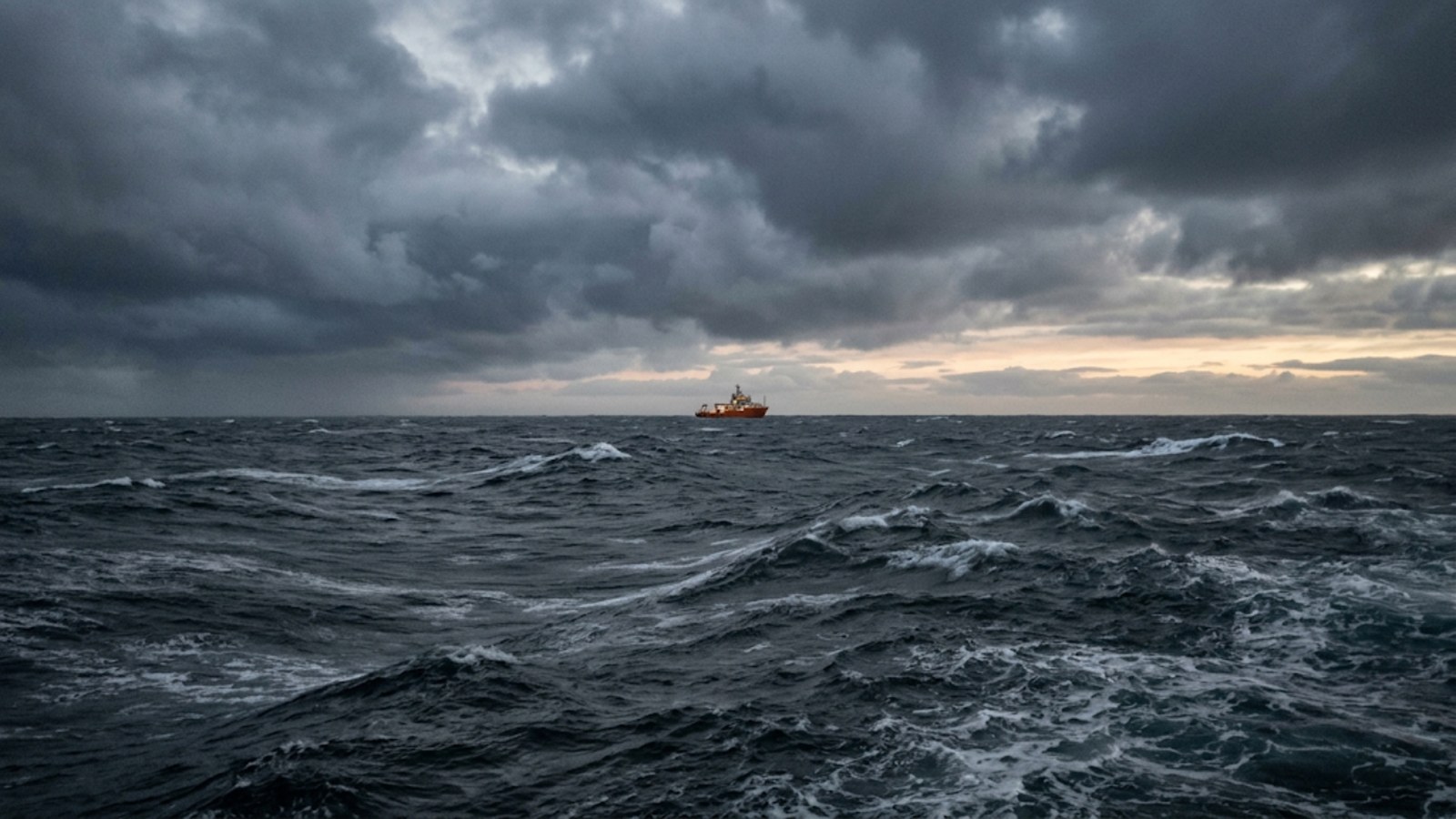
In 2025 Malaysia signed a no find, no fee deal with marine robotics firm Ocean Infinity. The company is paid US$70 million only if it finds the wreck. Its vessel, Armada 7806, deployed autonomous underwater vehicles to scan parts of the seabed that earlier searches had not covered.
Bad weather kept interrupting the work, and the ship left the area on January 23, 2026. Malaysia’s Air Accident Investigation Bureau said the effort had not produced any findings that confirmed the wreck’s location. Since 2018, Ocean Infinity says it has spent 151 days at sea and mapped more than 140,000 sq km of seafloor in this hunt. Chief executive Oliver Plunkett put it simply: “we can say with confidence that it isn’t where we looked.”
The story did not end there. In late June 2026, Malaysia’s cabinet approved a 12-month extension of the contract, running from July 1, 2026 to June 30, 2027, on the same no find, no fee terms. Transport Minister Anthony Loke said about 7,428 sq km of the target area remains to be searched. Because Ocean Infinity’s main ships were committed to other contracts, the search window was set for November 2026 to April 2027, when southern seas are calmer.
As of October 2026, that window has not yet opened. Families, including the group Voice 370, have pushed hard for the search to continue and for similar deals with other deep-sea firms.
The leading theories about MH370
Two official reports exist, and neither gives a definite cause. Malaysia’s final safety report in July 2018 was inconclusive. It did say the plane was turned off its flight path manually just after 01:00, by either the pilot or a third party.
Australia’s transport safety bureau, in its 2017 report, suggested hypoxia as the most likely explanation, though investigators have not reached a consensus. These are the main ideas that are taken seriously:
- Deliberate action from inside the cockpit. The manual turn and the long, controlled flight away from the route fit this idea. Malaysian police said the captain would be the prime suspect if human action caused the loss, but found no clear motive.
- Hijacking by a third party. Considered from the start. Two Iranian passengers travelling on stolen passports drew early suspicion but were cleared.
- Hypoxia or loss of consciousness. The idea that people on board lost consciousness and the plane flew on until its fuel ran out. Some independent specialists find this likely.
Why MH370 is still so hard to find
The southern Indian Ocean is deep, remote and stormy. Even with the seventh arc, the possible crash zone stretches for a long distance,. Each search has ruled out a large area, which is progress of a kind, but the wreck could sit just outside the boxes already checked.
If the next window brings a discovery, the flight recorders could finally explain what happened in the cockpit after 01:19 that night. Until then, the 239 families are still waiting for answers.
Frequently asked questions
Has MH370 been found?
No. As of October 2026, the main wreckage has not been found. About 20 pieces of debris washed up around the western Indian Ocean, and 18 were judged very likely or almost certainly from the plane.
Is the MH370 search still going on?
Yes, on paper. Malaysia extended Ocean Infinity’s no find, no fee contract to June 30, 2027, with the next search window set for November 2026 to April 2027.
Where is MH370 believed to be?
Satellite data places the end of the flight along a curved line called the seventh arc in the remote southern Indian Ocean.
How many people were on MH370?
There were 239 people: 227 passengers and 12 crew. Most passengers were Chinese nationals.
What do investigators think caused MH370 to disappear?
There is no official cause. Malaysia’s 2018 report said the plane was diverted manually, by the pilot or a third party, while Australia’s 2017 report suggested hypoxia.
Keep reading
Like hidden stories, mysteries and new tech? We cover them every week on The Hidden Secrets YouTube channel.
Sources
- Wikipedia: flight details, radar and satellite data, debris, searches, reports and theories
- PBS NewsHour (AP): 2025 to 2026 search results, contract terms, families
- Australian Aviation: search phases, vessel, AAIB statement
- AirlineRatings: Ocean Infinity statement, days at sea, area mapped
- Malay Mail: June 2026 contract extension and search window
- ABC News (AP): extension to June 30, 2027 and remaining area
Last updated October 2026. Featured image is AI-generated for illustration.