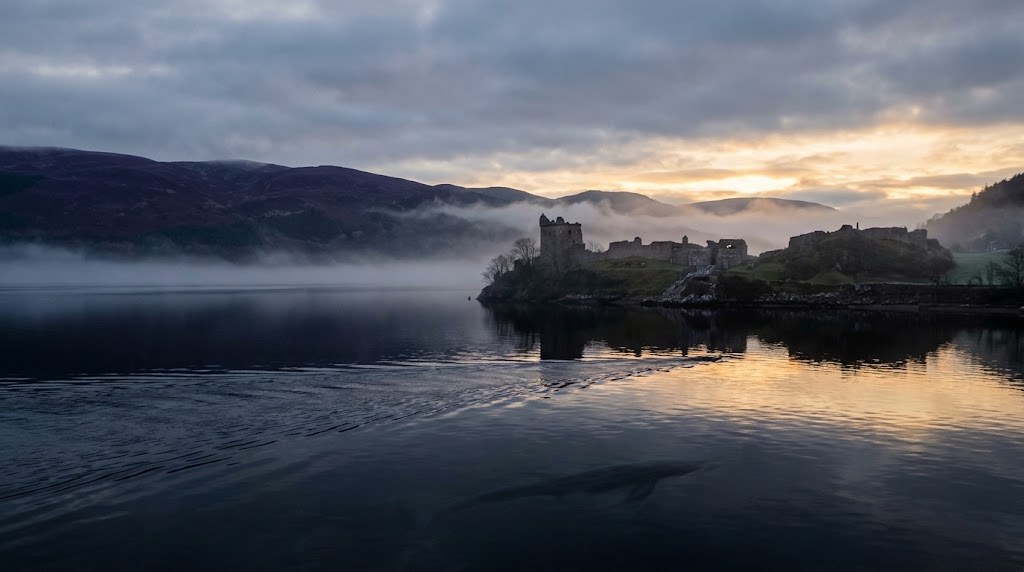
Loch Ness is a long, dark and deep lake in the Scottish Highlands. Since the 1930s it has been famous for one thing above all: Nessie, the monster that thousands of people say they have seen and no one has ever caught. Here is how the legend started, what turned out to be fake, and what modern science has to say.
Quick facts
| Location | Scottish Highlands, south west of Inverness |
| Length | About 37 km |
| Maximum depth | About 230 m |
| Fun fact | It holds more fresh water than all the lakes in England and Wales combined |
| Modern legend began | 1933 |
An ancient story, a modern legend
The oldest tale people connect with Nessie comes from a seventh century biography of St Columba, which describes him driving away a beast in the River Ness in AD 565. But the monster as we know it was born in 1933. A new road had just been built along the north shore, opening up views of the water, and in May that year a local newspaper reported a couple's sighting of something large rolling in the loch. Reports soon multiplied and the world's press arrived.
The Surgeon's Photograph
In 1934 a London doctor released a photo showing a long neck and small head rising from the water. It became the most famous image of Nessie for 60 years. In 1994 it was revealed as a hoax: the monster was a model head attached to a toy submarine, made as part of a scheme to embarrass a newspaper.
What science has found
Loch Ness has been searched with sonar, submarines and cameras many times. In 2018 a team led by New Zealand geneticist Neil Gemmell collected water samples from all around the loch and analysed the environmental DNA left behind by every living thing in it. They found no trace of reptile DNA, which rules out a surviving plesiosaur. They did find a surprisingly large amount of eel DNA, which led to the suggestion that some sightings could be very large eels.
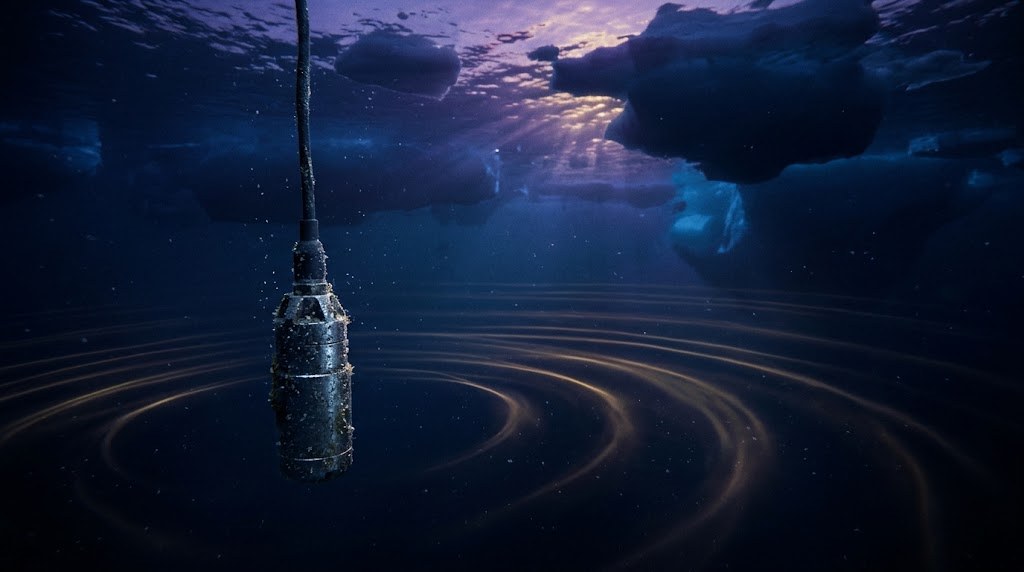
In 2023 the Loch Ness Centre organised the biggest volunteer search in decades, using drones, thermal cameras and hydrophones. It produced some interesting sounds but no monster.
Why people keep seeing something
- Boat wakes can travel across the calm loch long after a boat has gone, forming humps.
- Floating logs and debris can look like a head or back in the peaty brown water.
- Birds and swimming deer leave V shaped trails.
- Expectation, when you go looking for a monster, ordinary shapes are easy to misread.
Is Nessie real?
There is no scientific evidence of a large unknown animal in Loch Ness, and the loch formed only around 10,000 years ago after the last ice age, long after any prehistoric reptiles. Still, the legend is worth millions to the local economy every year, and that alone keeps Nessie very much alive.
Frequently asked questions
Has the Loch Ness Monster ever been proven?
No. No body, bones or clear footage has ever been found.
Was the famous Nessie photo fake?
Yes. The 1934 Surgeon's Photograph was confirmed as a hoax in 1994.
What do scientists think Nessie is?
Most sightings are explained by waves, wakes, debris or animals. The 2018 DNA study raised the idea of large eels.
Keep reading
Sources
- University of Otago, Loch Ness environmental DNA survey (2018 to 2019)
- Loch Ness Centre, 2023 search reports
- Adomnán of Iona, Life of St Columba